
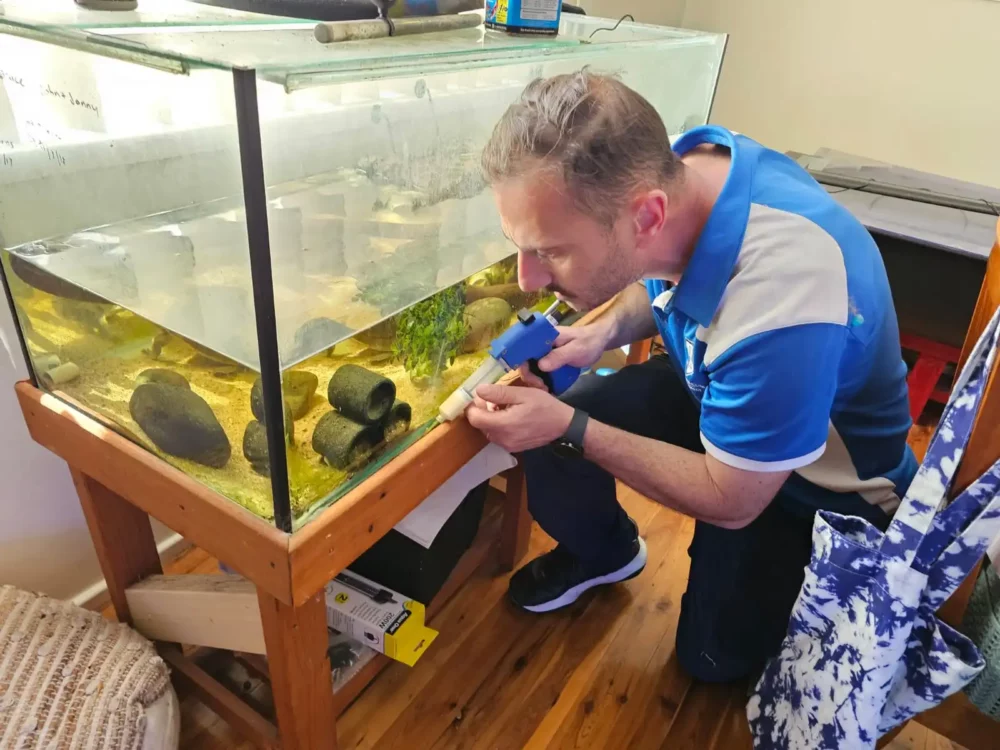
Why should homeowners think about termites before renovating?
They should think about termites because renovation work often reveals or disturbs areas termites target, such as timber framing, skirting boards, subfloors, and roof voids. Once a wall is opened, what looked like a cosmetic issue can quickly become a structural one.
Planning pest control termite treatment early helps avoid delays, unexpected costs, and rework after new materials are installed.
What are the biggest termite risks during common renovation jobs?
The biggest risks come from projects that expose timber, change drainage, or increase moisture. Bathrooms, laundries, decking, extensions, and landscaping work can all create conditions termites like, especially when ventilation is reduced or water is redirected.
If they are replacing floors or adding rooms, booking pest control termite treatment and an inspection first can prevent rebuilding over an active issue.
How can they tell if termite damage might already be present?
They might notice hollow-sounding timber, blistering paint, tight doors, fine mud tubes on walls, or “soft” skirting boards that crumble when pressed. They may also see discarded wings near windows after swarming, though termites themselves are often hidden.
Even if signs seem minor, a professional check tied to pest control termite treatment is safer than guessing.
When should a termite inspection happen in the renovation timeline?
Ideally, it happens before finalising plans and before ordering timber, cabinetry, or flooring. That timing gives them options: adjust designs, schedule treatment, or replace compromised materials before trades arrive.
If inspection findings indicate activity, pest control termite treatment should happen before internal linings go back on and before new timber is sealed into place.
What types of pest control termite treatment might be recommended?
Recommendations typically depend on the home’s construction, infestation level, and soil conditions. Common approaches include liquid soil barriers, baiting systems, timber treatments, and dusting methods used in targeted situations.
A good provider will explain why a specific pest control termite treatment suits the property, what it covers, and what ongoing monitoring is required.
How do liquid barriers and baiting differ for renovation planning?
Liquid barriers aim to create a treated zone around or under the structure, which can be easiest before slabs are poured, decks are rebuilt, or landscaping is finished. Baiting systems focus on colony suppression over time and require routine checks and patience.
For many projects, choosing pest control termite treatment based on the renovation schedule is as important as choosing it based on cost.
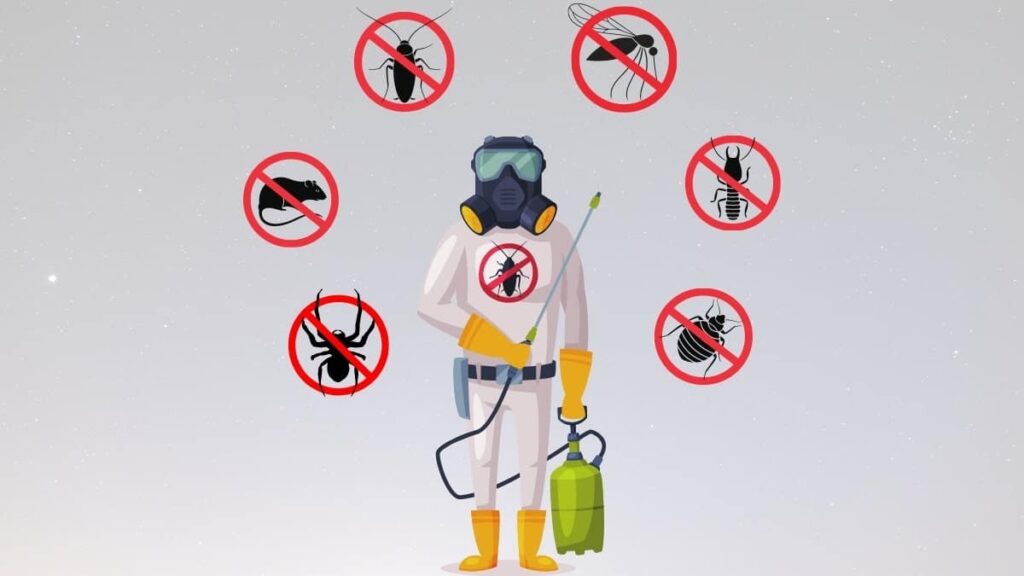
Should they treat the home even if no termites are found?
If they are renovating in a termite-prone area or the home has risk factors, preventative action can still be sensible. “No activity detected” does not always mean “no risk”, especially when access was limited before demolition.
Preventative pest control termite treatment may be cheaper than repairing future damage, particularly once premium finishes and joinery are installed.
How can renovation choices accidentally attract termites?
Renovations can increase risk when they introduce moisture, timber-to-soil contact, or concealed voids. Poor drainage, leaking pipes, garden beds built against walls, or decking that hides weep holes can all make it easier for termites to enter undetected.
They should ask how their design affects termite risk and whether pest control termite treatment needs to be updated after changes.
What questions should they ask a pest controller before work starts?
They should ask what evidence supports the diagnosis, which areas were accessible, and what treatment method is proposed. They should also ask how long the work takes, any disruption to pets or children, and what follow-up schedule is required.
They should request written details of the pest control termite treatment, including warranty terms, monitoring expectations, and any homeowner responsibilities.
What should they do if termites are discovered mid-renovation?
They should pause work in the affected area and avoid spraying DIY insecticides, which can cause termites to move and become harder to track. The best next step is to document what was found and contact a licensed professional promptly.
Rapid pest control termite treatment during renovation can limit spread, reduce structural compromise, and help the project get back on schedule. Click here to learn more about pest control in Springwood and how integrated pest management helps protect homes and collections.
How can they protect new materials after treatment?
They should store timber and cabinetry off the ground, keep the site dry, and fix leaks immediately. Good ventilation in subfloors and roof spaces matters, and any soil levels or landscaping should not bridge termite barriers.
After pest control termite treatment, ongoing prevention is a mix of professional checks and simple site habits that reduce moisture and concealment.
How often should they schedule follow-up checks after renovating?
Follow-up depends on the treatment type, local risk, and the home’s design. Many households benefit from at least annual inspections, with bait stations checked more frequently according to the provider’s programme.
Regular reviews ensure pest control termite treatment remains effective as the property changes, settles, and weathers over time.

What is the simplest renovation-ready termite checklist?
They can keep it simple: inspect first, treat if needed, then build with termite risk in mind. That means maintaining clearance zones, managing moisture, and protecting barriers during construction.
When they treat termites as part of the renovation plan rather than an emergency, pest control termite treatment becomes a protective step that supports the whole investment.
See Also : Repairs and maintenance | YourHome