
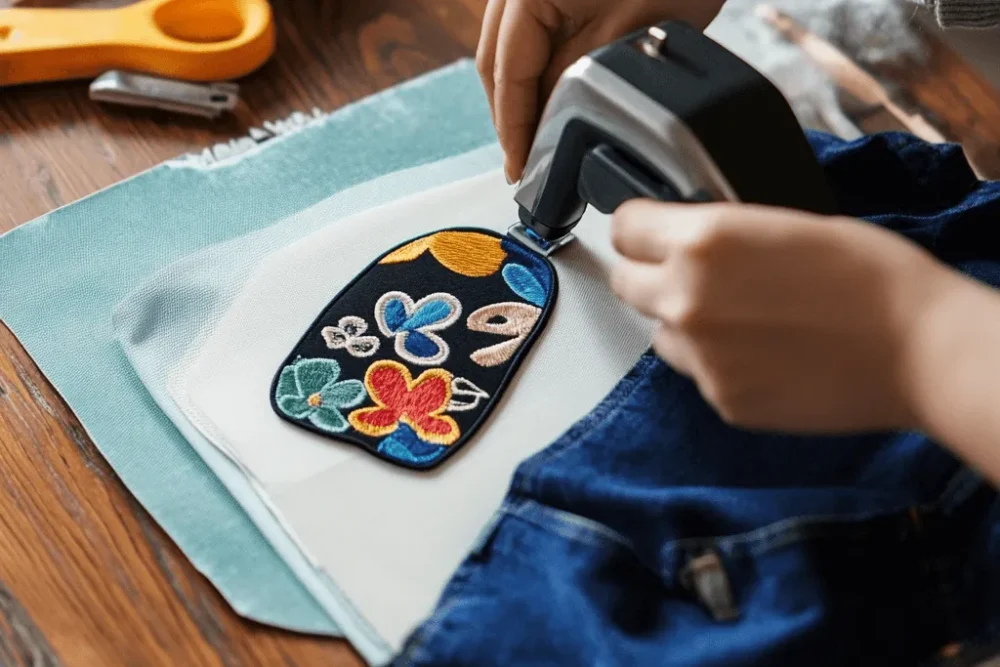
Why do Velcro patches often win on speed and convenience?
They are faster to apply, remove, and swap, often in seconds with no tools. That matters when uniforms change between tasks, roles, or locations across a single day.
For teams working shifts or rotating duties, Velcro patches reduce downtime. Instead of organising alterations or waiting on a sewing fix, they can update identification immediately and keep moving.
When do frequent role or name changes make Velcro the smarter option?
They make sense when names, ranks, callsigns, or functions change regularly. That includes temporary secondments, trainees, contractors, and event staff.
In these cases, velcro-backed patches help avoid owning multiple garments or repeatedly damaging fabric with needle holes. One shirt or vest can serve multiple identities without looking messy.
How do Velcro patches support shared uniforms and pooled gear?
They work well when uniforms are issued from a shared pool, which is common for casual staffing, venue operations, and some labour hire arrangements. A worker can attach the correct ID at sign-on and remove it at sign-off.
Because Velcro patches can be standardised, managers can keep a small library of labels rather than ordering full uniform sets for every person. That is often cheaper and simpler to administer.
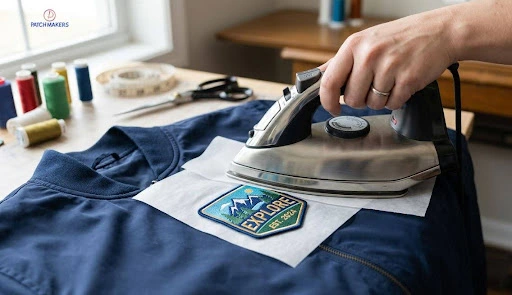
Why are Velcro patches better for tactical, outdoor, and field use?
They allow fast reconfiguration when conditions change. In the field, a team might need high-visibility identifiers in one setting and low-profile identifiers in another, depending on safety, privacy, or task requirements.
For Australian outdoor workers, dust, strong sunlight, and frequent laundering can gradually wear down stitched-on badges. Replacing a worn Velcro patch instead of the entire garment can be a practical way to extend the life of work shirts, uniforms, and other frequently used clothing.
When is protecting expensive garments a priority?
They make sense when the garment is costly or difficult to replace, such as a quality softshell jacket, waterproof outer layer, or a premium workwear shirt. Sewing into those items can compromise fabric performance or leave permanent marks if branding changes.
With Velcro patches, the garment stays mostly untouched. That helps preserve resale value, prolong wear life, and reduce the risk of a uniform becoming obsolete due to a small branding update.
How do Velcro patches help with compliance and visibility requirements?
They can improve consistency when rules require certain information to be visible, such as site access IDs or event credentials. If a patch sits in the wrong place or becomes unreadable, it can be replaced immediately.
In workplaces where supervisors conduct quick visual checks, Velcro patches can help maintain a consistent appearance across uniforms. Temporary uniform identifiers such as visitor or first aid patches can also be added or removed without permanently altering the base garment.
Why can Velcro patches be easier for organisations to manage?
They simplify inventory. Instead of ordering multiple uniform versions with different embroidery or stitched badges, the organisation can stock blank garments and attach the right identifiers as needed.
That approach reduces lead times, especially when teams are spread across Australian states and territories. A set of Velcro patches can be shipped quickly and applied on arrival, without booking a tailor.
When does sew-on backing still make more sense?
It is still a strong option when the badge must never detach, such as heritage uniforms, permanent branding, or high-wash environments where hook-and-loop could clog over time. It can also look cleaner for formalwear.
Sew-on backing can be preferable when there is no need to swap identities and the uniform is meant to be static for years. In those cases, stitching is simple and set-and-forget.
What are the downsides of Velcro patches that people should plan for?
They can catch lint, especially in dusty Australian worksites or when mixed with fleece garments. They can also snag on delicate fabrics if stored carelessly, and cheaper hook-and-loop can lose grip after heavy use.
Good planning helps. Choosing quality fastener material, sizing the panel correctly, and replacing worn hook-and-loop keeps Velcro patches reliable rather than annoying.
How can they choose Velcro patches that stay secure and look professional?
They should match patch size to the panel, avoid tiny corners that peel, and use strong stitching around the Velcro panel even if the patch itself is removable. Rounded corners can also reduce lifting.
For a professional finish, many Australian teams use embroidered or PVC Velcro patches with a clean border and consistent colour palette. That keeps the uniform looking intentional, not temporary.
Where do Velcro patches make the most sense in Australia right now?
They are especially useful for events, security, outdoor work, community groups, and any team that needs flexible identification across changing rosters. They also suit clubs and associations that share gear between members.
When adaptability matters more than permanence, Velcro patches are usually the practical choice. Do iron on patches actually survive repeated washing? That question is especially relevant when choosing between temporary and more permanent patch options. They reduce friction in day-to-day operations while keeping uniforms neat, consistent, and easy to update.
FAQs (Frequently Asked Questions)
Why do Velcro patches often win on speed and convenience compared to sew-on badges?
Velcro patches are faster to apply, remove, and swap—often in seconds without any tools. This speed matters when uniforms change between tasks, roles, or locations within a single day, reducing downtime and enabling immediate updates to identification.
When are Velcro patches the smarter option for frequent role or name changes?
Velcro patches make sense when names, ranks, callsigns, or functions change regularly—such as for temporary secondments, trainees, contractors, and event staff. They avoid the need for multiple garments or fabric damage from repeated sewing, allowing one uniform to serve multiple identities neatly.
How do Velcro patches support shared uniforms and pooled gear in Australian workplaces?
They work well when uniforms are issued from a shared pool common in casual staffing, venue operations, or labour hire. Workers can attach the correct ID patch at sign-on and remove it at sign-off. This standardization lets managers keep a small library of labels rather than ordering full uniform sets for every individual, simplifying administration and cutting costs.
Why are Velcro patches better suited for tactical, outdoor, and field use environments?
Velcro patches allow fast reconfiguration when conditions change—such as switching between high-visibility and low-profile identifiers depending on safety or privacy needs. In harsh Australian outdoor settings with dust, sun exposure, and frequent laundering, they let users replace only the patch when it fades or frays instead of the entire garment panel.
When does sew-on backing still make more sense than Velcro patches?
Sew-on backing remains preferable when badges must never detach—like heritage uniforms or permanent branding—or in high-wash environments where hook-and-loop may clog over time. It also offers a cleaner look for formalwear and suits static uniforms that don’t require identity swaps over years.
What should organisations consider to ensure Velcro patches stay secure and maintain a professional appearance?
Choosing quality hook-and-loop fasteners sized correctly to the patch prevents peeling corners. Strong stitching around the Velcro panel—even if the patch is removable—and rounded corners reduce lifting. Many Australian teams use embroidered or PVC Velcro patches with clean borders and consistent color palettes to keep uniforms looking intentional rather than temporary.